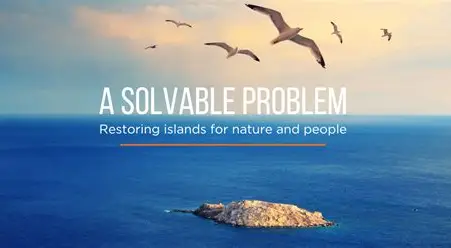
You can get paid to live on a private island.
Not as a tourist but as part of a team working to protect some of the most important ecosystems on the planet.
Across the world, conservation organizations hire staff to live and work in remote island locations, supporting research, wildlife protection, and environmental sustainability.
Some of these roles are offered through global organizations like the Island Conservation and the The Nature Conservancy.
For many people, it sounds unreal but it’s a real and growing field.
What These Jobs Actually Involve
Working on a private island isn’t about relaxation, it’s about responsibility.
These roles are often part of conservation projects focused on protecting fragile ecosystems.
Depending on the project, your work could involve:
• Monitoring wildlife populations
• Protecting endangered species
• Assisting with scientific research
• Managing invasive species
• Supporting marine conservation efforts
• Collecting environmental data
Many islands are biodiversity hotspots, meaning they are home to species found nowhere else on Earth.
This makes them incredibly important and also vulnerable.
Who Hires for These Roles
Several organizations run conservation projects on private or remote islands.
For example:
• Island Conservation focuses on restoring island ecosystems by removing invasive species and protecting wildlife.
• The Nature Conservancy manages conservation projects worldwide, including coastal and island environments.
In addition, research institutions, NGOs, and eco-tourism conservation projects also recruit staff for island-based roles.
Types of Jobs Available
Not all roles are scientific.
Island conservation projects require a wide range of skills.
Some common positions include:
• Field assistants
• Research assistants
• Marine conservation interns
• Wildlife monitoring staff
• Logistics coordinators
• Data collectors
• Communications and outreach staff
This means opportunities exist for both science and non-science backgrounds.
What You Get (Yes, You’re Supported)
While these roles vary, many offer structured support, including:
• Accommodation on the island
• Meals or food allowance
• A stipend or salary
• Travel support (in some cases)
Some positions are fully paid, while others are stipended or volunteer-based with covered living costs.
Even when the pay isn’t high, the experience itself is often considered extremely valuable.
The Reality of Living on an Island
It sounds like a dream, but it comes with challenges.
Living on a remote island means:
• Limited internet or communication
• Isolation from cities and normal routines
• Basic or shared accommodation
• Physically demanding work
• Exposure to harsh weather conditions
But for many people, that’s part of the appeal.
The experience offers a level of focus, simplicity, and connection to nature that is hard to find elsewhere.
Who Can Apply
These opportunities are open to a wide range of applicants.
Requirements vary depending on the role, but generally include:
• Interest in conservation or environmental work
• Willingness to live in remote locations
• Ability to work in a team
• Physical fitness for fieldwork
For more advanced roles, a background in environmental science, biology, or related fields may be required.
However, many entry-level roles are accessible to students and early-career applicants.
Why These Opportunities Matter
Island ecosystems are among the most threatened environments in the world.
Climate change, pollution, and invasive species continue to put pressure on fragile habitats.
Conservation work on these islands plays a critical role in protecting biodiversity and maintaining ecological balance.
For participants, it’s also a chance to contribute to meaningful global work.
You may also be interested in:
- Study on a Ship While Traveling the World: The Semester at Sea Program Explained
- Study in 10+ Countries for Free: The Fully Funded Joint Master’s You’ve Probably Never Considered
How to Find and Apply
These opportunities are not always listed in one place, so it’s important to check directly with organizations.
You can start exploring here:
OR
You can also look for roles through conservation job boards and environmental organizations.
Because positions are competitive and limited, it’s important to apply early and be open to different types of roles.
Final Thoughts
The idea of living on a private island is often associated with luxury.
But for some people, it becomes something much more meaningful.
Working in conservation offers the chance to live in unique environments while contributing to the protection of the planet.
It may not be the easiest path, but it is one of the most unforgettable.