When people think about working abroad, they usually imagine large cities, international organizations, or research centers in major countries.
Very few people imagine working on the coldest continent on Earth.
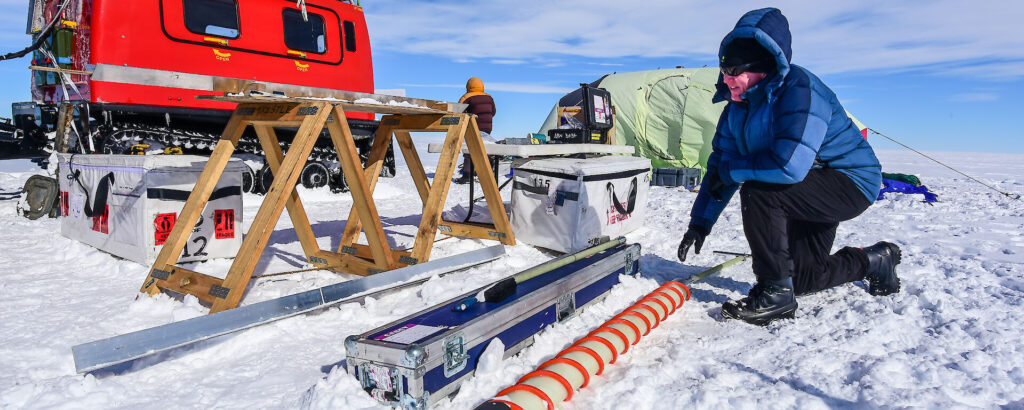
Yet every year, scientists, engineers, technicians, and support staff travel to Antarctica to support research missions and scientific exploration.
These projects are coordinated by international research organizations, including institutions such as the British Antarctic Survey and the National Science Foundation.
Although Antarctica has no permanent population, it hosts thousands of researchers and workers each year who contribute to important scientific studies about our planet.
For many participants, working in Antarctica becomes one of the most unique experiences of their careers.
Why Scientists Work in Antarctica
Antarctica is one of the most important locations in the world for scientific research.
Because the continent remains largely untouched by human development, it provides researchers with a unique environment to study natural systems.
Scientists working in Antarctica often focus on topics such as:
• Climate change and global warming
• Glaciology and ice sheet research
• Marine ecosystems and biodiversity
• Atmospheric science
• Astronomy and space observation
Research conducted on the continent helps scientists better understand how Earth’s climate is changing and how those changes may affect the rest of the planet.
This is why many countries invest heavily in maintaining research stations across Antarctica.
Who Works in Antarctica
Contrary to what many people believe, not everyone working in Antarctica is a scientist.
Research stations require a wide range of professionals to operate effectively.
Typical roles can include:
• Engineers
• Electricians
• IT specialists
• Mechanics
• Medical staff
• Logistics coordinators
• Chefs and kitchen staff
• Field technicians
These workers help maintain the stations, manage equipment, support scientific experiments, and ensure that daily life continues smoothly in one of the harshest environments on Earth.
Because conditions in Antarctica can be extremely challenging, staff members are usually carefully selected and trained before deployment.
Living and Working Conditions
Life in Antarctica is very different from living anywhere else in the world.
Temperatures can drop below −50°C, and during winter months the continent experiences long periods of darkness.
Research stations are often isolated, meaning workers live in close communities with the same group of colleagues for several months.
However, many people who work in Antarctica describe the experience as incredibly rewarding.
Participants often highlight:
• The chance to contribute to important scientific research
• The opportunity to see landscapes few people ever experience
• Strong friendships formed within the research community
• Unique wildlife encounters, including penguins and seals
Although the environment can be demanding, many workers say the experience becomes one of the most memorable parts of their professional lives.
How People Get Jobs in Antarctica
Jobs in Antarctica are usually offered through national research organizations that manage scientific stations.
For example, the British Antarctic Survey recruits professionals to support UK research operations on the continent.
Other countries run their own programs as well.
Applicants typically apply for specific roles such as technical staff, logistics support, or research positions.
Because these missions operate in extreme environments, employers often look for candidates who demonstrate:
• Strong technical skills
• The ability to work in remote locations
• Teamwork and adaptability
• Physical and mental resilience
Some positions require previous field experience, while others focus more on technical expertise.
Opportunities for Students and Early-Career Researchers
Students and early-career scientists may also find opportunities to participate in Antarctic research projects through universities and research institutes.
Graduate programs in fields such as climate science, oceanography, and environmental science sometimes collaborate with Antarctic research teams.
These collaborations allow students to contribute to research projects that help scientists better understand the planet’s changing environment.
Because Antarctica plays such an important role in climate research, these projects are often considered highly valuable in scientific careers.
Why Opportunities Like This Matter
Working in Antarctica represents more than just a job in an unusual location.
It highlights the global cooperation required to study and protect our planet.
Researchers from different countries often collaborate on Antarctic missions, sharing data and knowledge that help scientists understand environmental changes affecting the entire world.
For professionals interested in science, exploration, and environmental research, opportunities in Antarctica offer a rare chance to contribute to discoveries that impact global understanding of climate and ecosystems.
You may also be interested in:
- The NASA Internships Open to International Students: What You Should Know
- The Netherlands Scholarship: The Orange Knowledge Programme (OKP)!
How to Explore Opportunities
If you are interested in working in Antarctica, one of the best places to explore available roles is through organizations that coordinate research missions on the continent.
You can learn more about opportunities and recruitment through the official website of the British Antarctic Survey:
Because positions vary depending on the needs of research stations, applicants should regularly check official listings for available roles.
Final Thoughts
Antarctica remains one of the most remote and fascinating places on Earth.
Although few people realize it, thousands of professionals travel there each year to support research that helps scientists understand our planet.
For those willing to work in extreme conditions and embrace a truly unique experience, opportunities in Antarctica offer a rare chance to combine adventure with meaningful scientific work.
Sometimes the most extraordinary careers begin in the most unexpected places.